


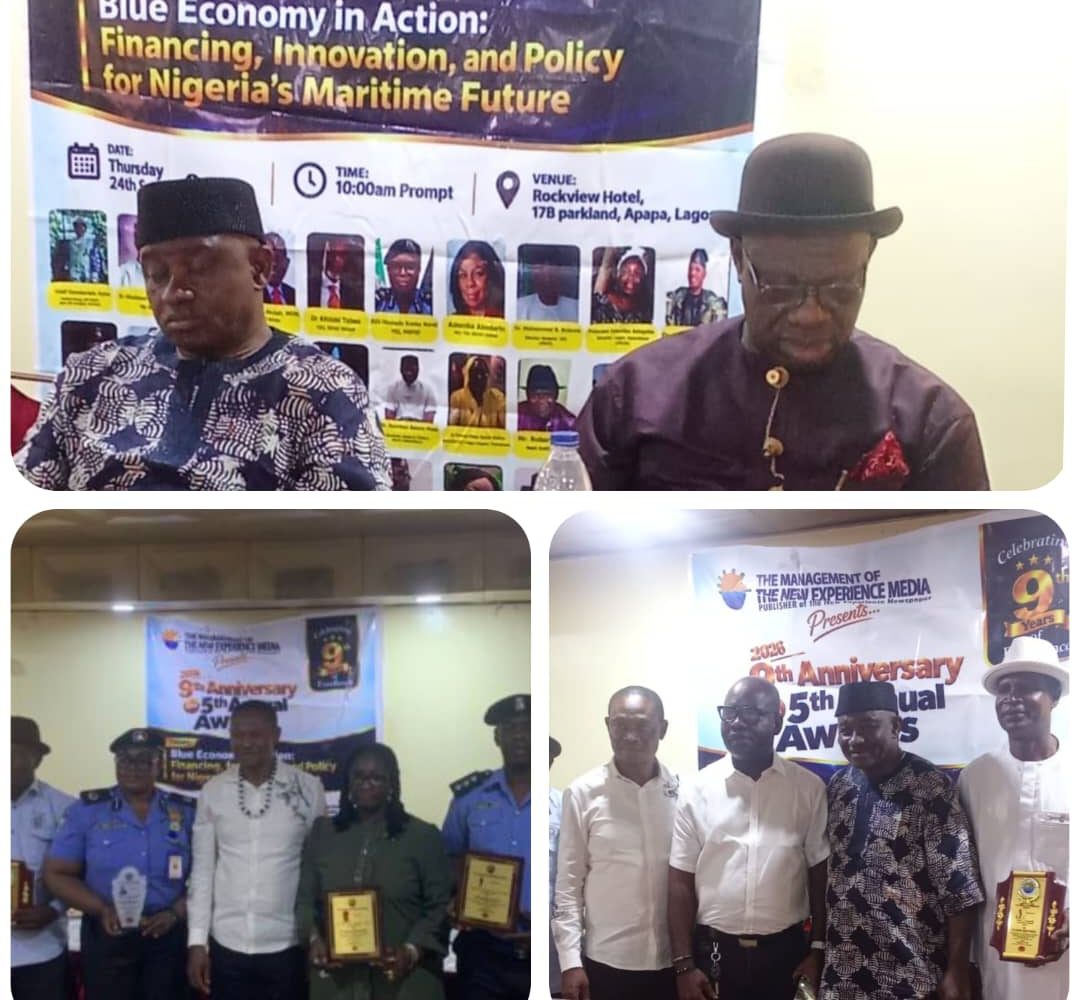
The New Experience Newspaper has called for urgent action to unlock Nigeria’s blue economy potential, saying the sector can support economic growth, job creation and food security.
The call was made at the newspaper’s 5th Annual Lecture and Awards Ceremony held on Thursday, September 24, 2026, at Rockview Hotel, Apapa, Lagos, to mark its ninth anniversary.
The event, themed “Blue Economy in Action: Financing, Innovation and Policy for Nigeria’s Maritime Future,” attracted stakeholders from government agencies, maritime businesses, financial institutions, security agencies and the media.
Representatives of the Nigerian Maritime Administration and Safety Agency (NIMASA), Nigerian Ports Authority (NPA), SIFAX Group, Nigeria Ports Economic Regulatory Agency (NPERA), Nigeria Customs Service and Maritime Police Command attended the event.
The Chairman of the occasion, former Group Managing Director of the Nigerian National Petroleum Corporation (NNPC), Chief Chamberlain Oyibo, was represented by Chief Ibitrokoemi Seddon (Alabo).
Seddon, who declared the lecture open, recalled the humble beginnings of The New Experience Newspaper and commended its Publisher, Prince Benson Davies, for sustaining the publication over nine years.
He said Nigeria’s 853-kilometre coastline would remain an unrealised opportunity without deliberate action, identifying financing, innovation and stable policies as critical requirements for developing the blue economy.
Blue Economy Is Now
Delivering the keynote address, Chairperson of the Anniversary Committee and Chairperson of the Chartered Institute of Logistics and Transport (CILT), Lagos Chapter, Amb. Dr. Dorcas Masu Daniel Bature, said Nigeria had not adequately converted its maritime resources into economic prosperity.
Bature highlighted opportunities in fisheries, aquaculture, shipping, ports, coastal tourism and other maritime activities, noting that Nigeria still imports large quantities of fish despite its extensive aquatic resources.
“The blue economy is Nigeria’s frontier now, not tomorrow,” she said.
She called for transparent and accessible financing for genuine maritime operators and young Nigerians developing technology-driven solutions.
Bature also advocated a sovereign blue bond to finance port modernisation, cold-chain facilities and fish terminals.
She urged greater coordination among NIMASA, NPA and NIWA, alongside the digitisation of port operations, implementation of the National Single Window, improved rail and intermodal transport, stronger maritime security and sustained action against coastal erosion, oil spills and pollution.
Stakeholders Demand Financing, Digitalisation
During a panel discussion moderated by Davies, stakeholders identified access to affordable financing, inefficient port processes and regulatory overlaps as major constraints to Nigeria’s blue economy.
The panel called for the disbursement of the long-awaited Cabotage Vessel Financing Fund (CVFF) and the establishment of a dedicated, low-interest Blue Economy Development Fund.
Participants also advocated immediate implementation of the National Single Window, digital cargo clearance and port automation to reduce cargo dwell time and operating costs.
They further urged investment in green shipping and technology-driven jobs in fisheries, aquaculture, boat building and coastal tourism.
On regulation, stakeholders called for greater harmonisation among maritime agencies, including NPA, NIMASA, Nigerian Shippers’ Council, Customs, Navy and NIWA, to reduce duplication and improve efficiency.
Davies said the discussions had produced a clear message for policymakers: Nigeria must move beyond discussing its maritime potential and begin implementing practical measures to develop the sector.
“On Financing, we need deliberate, low-interest maritime funds and we must finally disburse the CVFF. On Innovation, we must embrace digitalisation, single window and green shipping. On Policy, we need one strong, stable, investor-friendly National Blue Economy Policy,” he said.
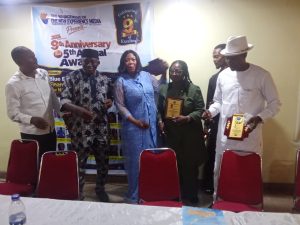
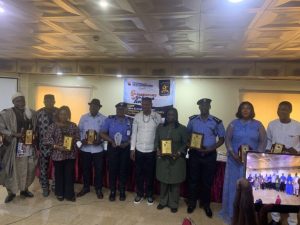
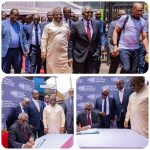
The anniversary event also featured a cultural performance by the Tiv Lagos Dancing Group and an awards ceremony recognising individuals and organisations for their contributions to Nigeria’s maritime industry.



Comment here