


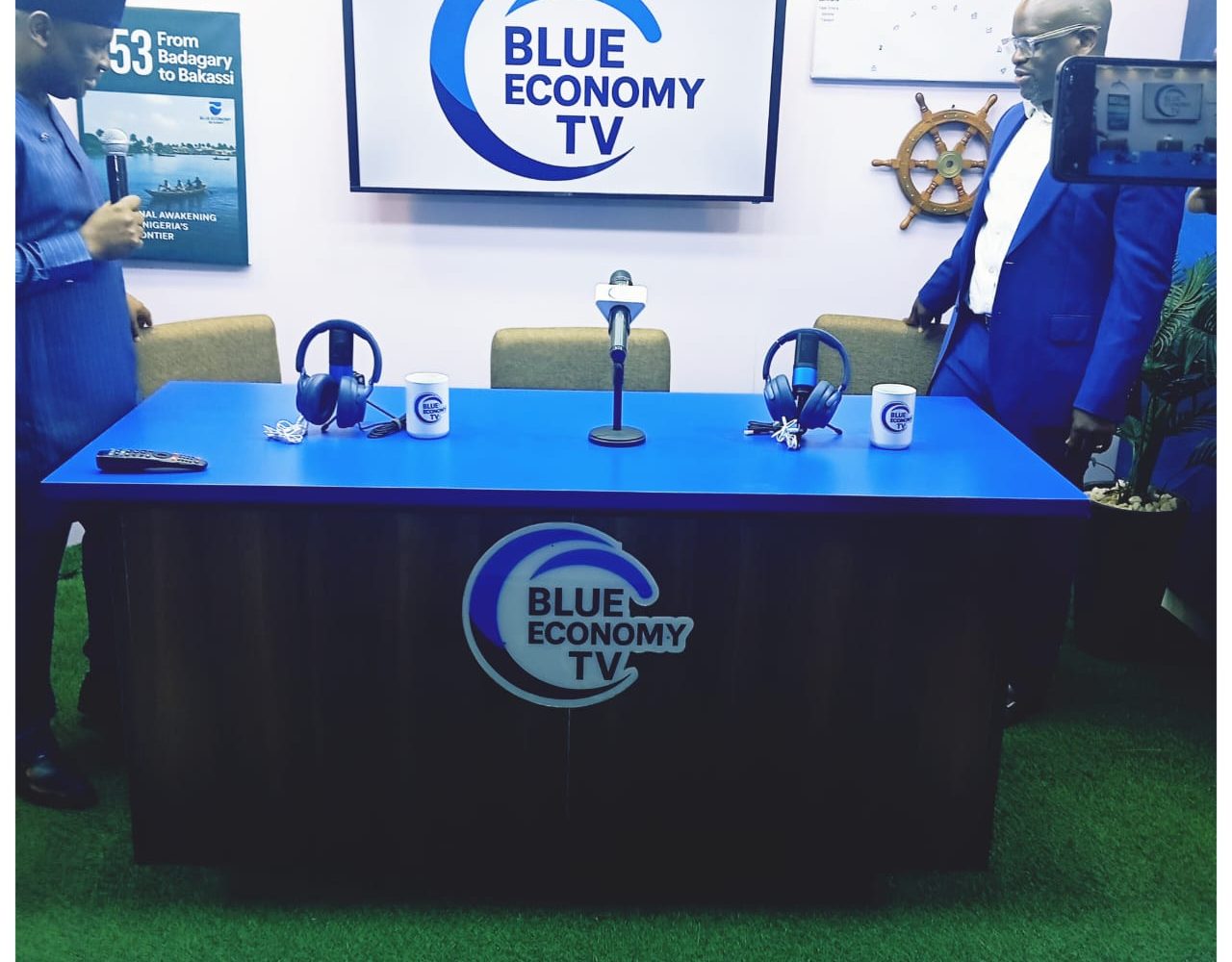
Nigeria on Monday took a significant step toward harnessing its vast marine resources with the launch of Blue Economy TV (BETV), the country’s first broadcast platform dedicated exclusively to the blue economy.
The unveiling, held at the Blue Economy Academy in Osborne Phase 2, Ikoyi, Lagos, attracted policymakers, maritime stakeholders, media professionals, and industry experts, marking what participants described as a defining moment in efforts to unlock the nation’s ocean-based economic potential.
Founder of the Blue Economy Academy and BETV, Ubong Essien, said the platform was conceived to bridge the gap between knowledge and public awareness in the maritime sector. He noted that BETV represents a strategic fusion of education and media aimed at fostering a Nigeria that “prospers by water.”
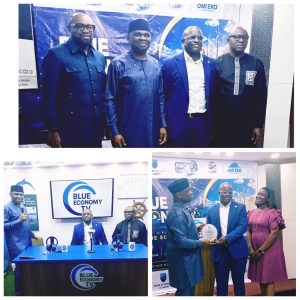 “What we are doing here today may seem small, but we are laying the foundation for a transformation that will shape not just Nigeria, but Africa’s economic future,” Essien said.
He explained that beyond its traditional role in trade and oil exports, the maritime sector offers broader opportunities spanning renewable energy, aquaculture, marine technology, tourism, and blue finance.
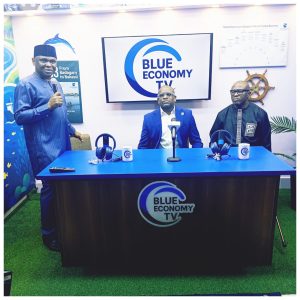
The event was coordinated by maritime journalist and publisher of JournalNG Magazine, Ismail Aniemu, who anchored proceedings and facilitated the formal unveiling.
In his keynote address, Special Adviser to the Lagos State Governor on the Blue Economy and General Manager of the Lagos State Waterways Authority, Emmanuel Oluwadamilola, described the launch as both symbolic and transformative.
“Nations rise not only by what they build, but by how well they communicate what is possible – and Blue Economy TV is that voice for our waters,” he said.
Oluwadamilola highlighted Lagos’ strategic advantage, noting that the state boasts over 180 kilometres of coastline and more than 140 kilometres of inland waterways, which currently support about 70 per cent of Nigeria’s international trade.
He stressed that the initiative signals a shift in perception, urging Nigerians to view water bodies not as barriers but as “lifelines” capable of generating employment, enhancing food security through fisheries, improving transportation, and attracting investments.

Describing the launch as an “awakening of consciousness,” he likened it to “the sound of abundance of rain,” signalling renewed momentum in the country’s blue economy drive.
Stakeholders at the event emphasized that BETV would address the long-standing challenge of “sea blindness” – a general lack of awareness about the economic value of Nigeria’s oceans and waterways – despite the country’s extensive coastline stretching from Badagry to Bakassi.
The platform is expected to deliver specialised programming, including “Blue Morning Nigeria,” a daily show focused on maritime discourse; “Watchers of the Seas,” a roundtable analysis programme; and “Blue Economy News,” which will provide sector-specific updates.
It will also feature documentaries exploring innovations such as artificial intelligence in ocean monitoring, maritime security, and climate resilience.
Preview clips showcased at the event demonstrated how emerging technologies are transforming ocean intelligence, from tracking illegal fishing to forecasting environmental risks.
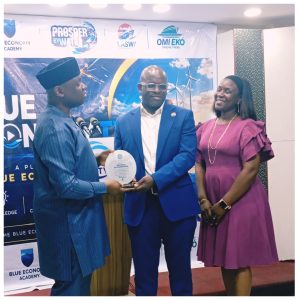
Essien urged maritime journalists and stakeholders to leverage the platform to enhance public understanding and support evidence-based policymaking.
“The ocean is vast, and the media must create the awareness needed to unlock its full potential,” he said.
The launch comes amid growing national attention to the blue economy, positioning Lagos as a critical hub in Nigeria’s evolving maritime and economic landscape.




Comment here