


By Barney Esiet.
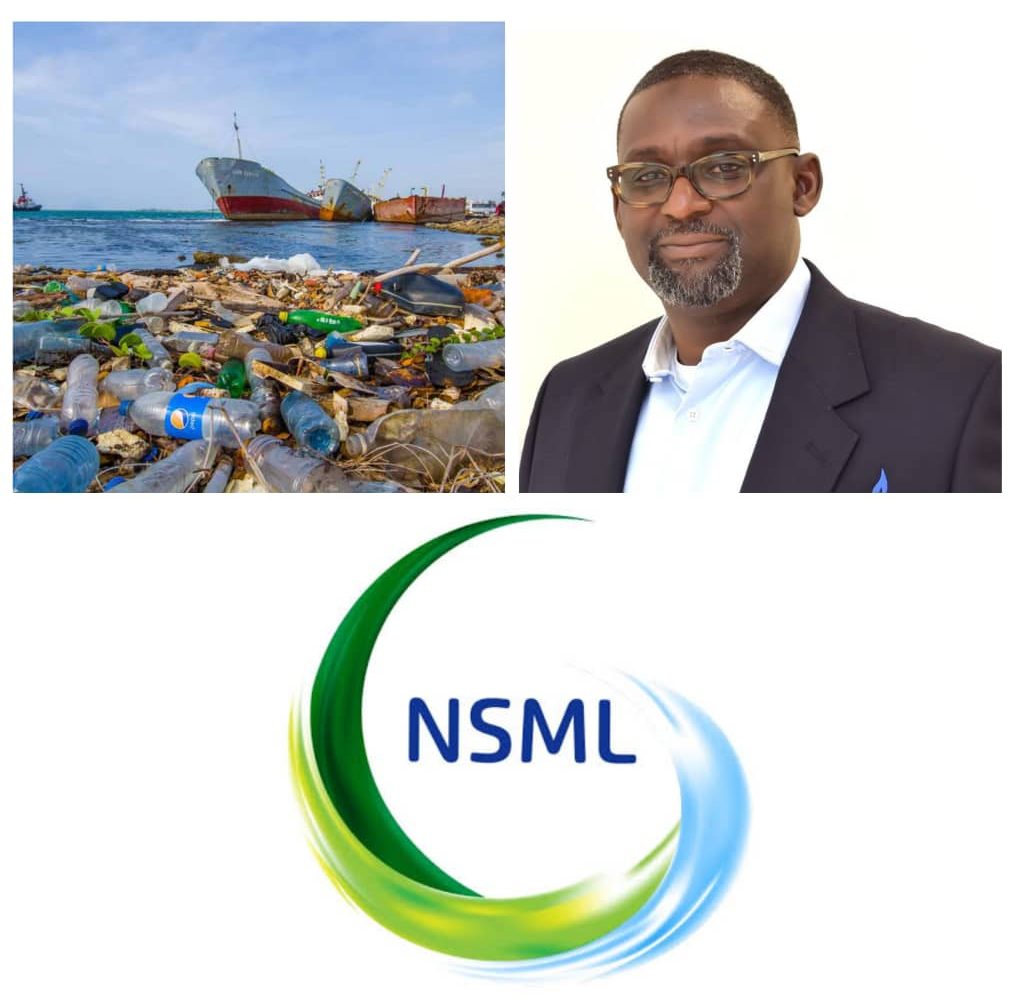
The growing menace of plastic waste in Nigeria’s waterways and oceans has once again come under the spotlight, with the Managing Director of NSML, Abdulkadir Ahmed, warning that the world faces grave environmental consequences if urgent steps are not taken to address the challenge.
Speaking during a media parley with maritime journalists in Lagos recently, Ahmed expressed concern over the increasing volume of plastic waste finding its way into rivers, creeks, lagoons and oceans, describing the situation as a global phenomenon that requires immediate and collective action.
According to him, indiscriminate dumping of plastic waste into waterways has become one of the most pressing environmental challenges confronting humanity, with implications that extend beyond pollution to threaten marine biodiversity, public health and economic sustainability.
“The world risks collapse if the dumping of waste on our waterways, particularly plastic waste, is not immediately addressed,” Ahmed warned.
His remarks reflect growing global concerns about plastic pollution and its devastating impact on ecosystems across the world.
A Crisis Flowing Through the Waterways
Plastic has become one of the most commonly used materials in modern society. From shopping bags and water sachets to beverage bottles and food packaging, plastic products are valued for their convenience and affordability. However, their widespread use has also created an unprecedented waste management challenge.
In many Nigerian cities, used plastic items are routinely discarded into drainage channels, streams and rivers. During rainfall, these wastes are washed into larger water bodies, eventually finding their way into the Atlantic Ocean.
The result is an ever-growing accumulation of plastic debris in aquatic environments.
Environmental experts have repeatedly warned that plastics can remain in the environment for centuries, breaking down into smaller particles known as microplastics that contaminate water, soil and marine ecosystems.
For Ahmed, the challenge is no longer one that can be ignored.
“This is an issue that must be brought to the front burner,” he stressed, noting that governments, businesses, environmental groups and individuals all have a role to play in reversing the trend.
Threat to Marine Life
One of the most devastating effects of plastic pollution is its impact on marine life.
Across the world’s oceans, marine animals frequently mistake plastic fragments for food. Sea turtles often consume floating plastic bags believing they are jellyfish, while seabirds and fish ingest plastic particles that can block their digestive systems and lead to starvation.
Discarded fishing nets and plastic packaging materials also trap and injure aquatic species.
Nigeria’s coastal and inland waterways are not immune from these dangers. The country’s vast maritime resources support fishing communities, transportation networks and economic activities that millions of people depend on for their livelihoods.
As plastic pollution worsens, experts fear that fish populations could decline while aquatic habitats continue to deteriorate.
Economic and Maritime Implications
For the maritime industry, the consequences of unchecked plastic pollution extend beyond environmental concerns.
Floating debris can obstruct navigation routes, damage vessel equipment and interfere with port operations. Polluted waterways also diminish the attractiveness of coastal communities and waterfront destinations.
As a leading maritime services organisation, NSML has consistently advocated sustainable maritime practices and environmental stewardship.
Ahmed’s comments underscore the growing recognition within the maritime sector that environmental sustainability and economic prosperity are closely linked.
Without healthy oceans and waterways, industries dependent on marine resources face increasing operational and financial risks.
A Shared Responsibility
While governments around the world have introduced policies aimed at reducing plastic consumption and improving recycling, experts argue that regulation alone will not solve the problem.
Ahmed emphasized that addressing plastic pollution requires the contribution of “all and sundry.”
Environmental advocates agree that lasting solutions will require changes in individual behaviour, stronger waste management systems, increased recycling capacity and greater corporate responsibility.
Citizens are being encouraged to reduce their reliance on single-use plastics, properly dispose of waste and support recycling initiatives within their communities.
Businesses, meanwhile, are expected to invest in environmentally responsible packaging and production processes.
Time for Action
The warning from the NSML chief comes at a time when environmental sustainability is becoming a central concern for governments, businesses and development institutions across the globe.
As climate change, biodiversity loss and pollution continue to threaten ecosystems, the issue of plastic waste has emerged as one of the most visible indicators of humanity’s impact on the environment.
For Ahmed, the message is clear: the challenge can no longer be postponed.
The plastic pollution crisis is not confined to a single country or region. It is a global problem demanding global action. Failure to act decisively could leave future generations with polluted oceans, degraded ecosystems and diminished economic opportunities.

The world’s waterways have long sustained human civilisation. Protecting them from the growing tide of plastic waste may well determine the environmental future of generations to come.





Comment here