


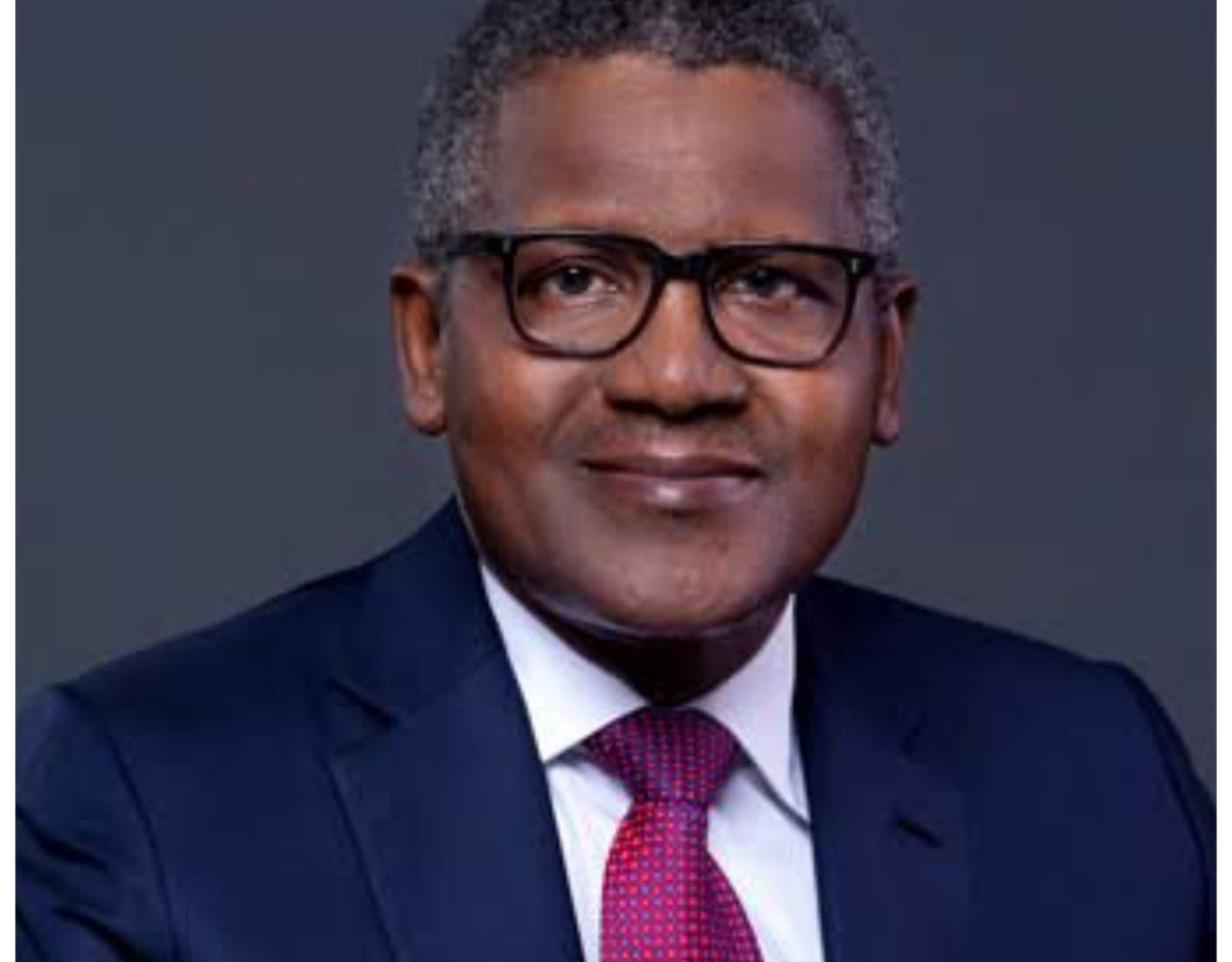
President and Chief Executive of the Dangote Group, Aliko Dangote, has underscored the importance of infrastructure development, job creation, and private sector investment as key drivers of Africa’s economic growth.
Dangote made this known during a series of high-level engagements with global financial leaders on the sidelines of the IMF and World Bank Spring Meetings held in Washington, D.C., United States.
The meetings, convened by the International Monetary Fund and the World Bank, brought together policymakers and business leaders to discuss global economic challenges and development priorities.
Speaking at the World Bank’s Water Forward event, Dangote emphasised the need for increased private sector participation in infrastructure development, particularly in water systems, which he described as critical to industrialisation and employment generation.
He noted that sustainable water management is essential for inclusive growth and long-term economic resilience across developing economies.
“Africa’s growth story will be defined by our ability to invest in infrastructure that supports industry, creates jobs, and unlocks productivity across the continent,” Dangote said, adding that stronger private sector involvement in key sectors such as water and energy would accelerate sustainable development.
During the meetings, Dangote also held discussions with the President of the World Bank, Ajay Banga, focusing on strategies to boost capital inflows into Africa’s industrial sector.
He stressed that rapid industrialisation is necessary to strengthen economic resilience, promote diversification, and reduce vulnerability to external shocks.
Dangote further highlighted the Group’s Vision 2030 strategy, which aims to significantly expand operations across its refinery, fertiliser, and petrochemical businesses, with a target of achieving annual revenues of $100 billion.
He said the plan reflects the company’s commitment to advancing Africa-led industrialisation and sustainable economic development.
He reiterated that strong private sector participation, supported by reliable infrastructure, remains vital to unlocking Africa’s economic potential and driving inclusive growth.
The World Bank event attracted a high-level audience, including heads of government, the Secretary-General of the United Nations, leaders of European development institutions, and representatives of multilateral development organisations.




Comment here