


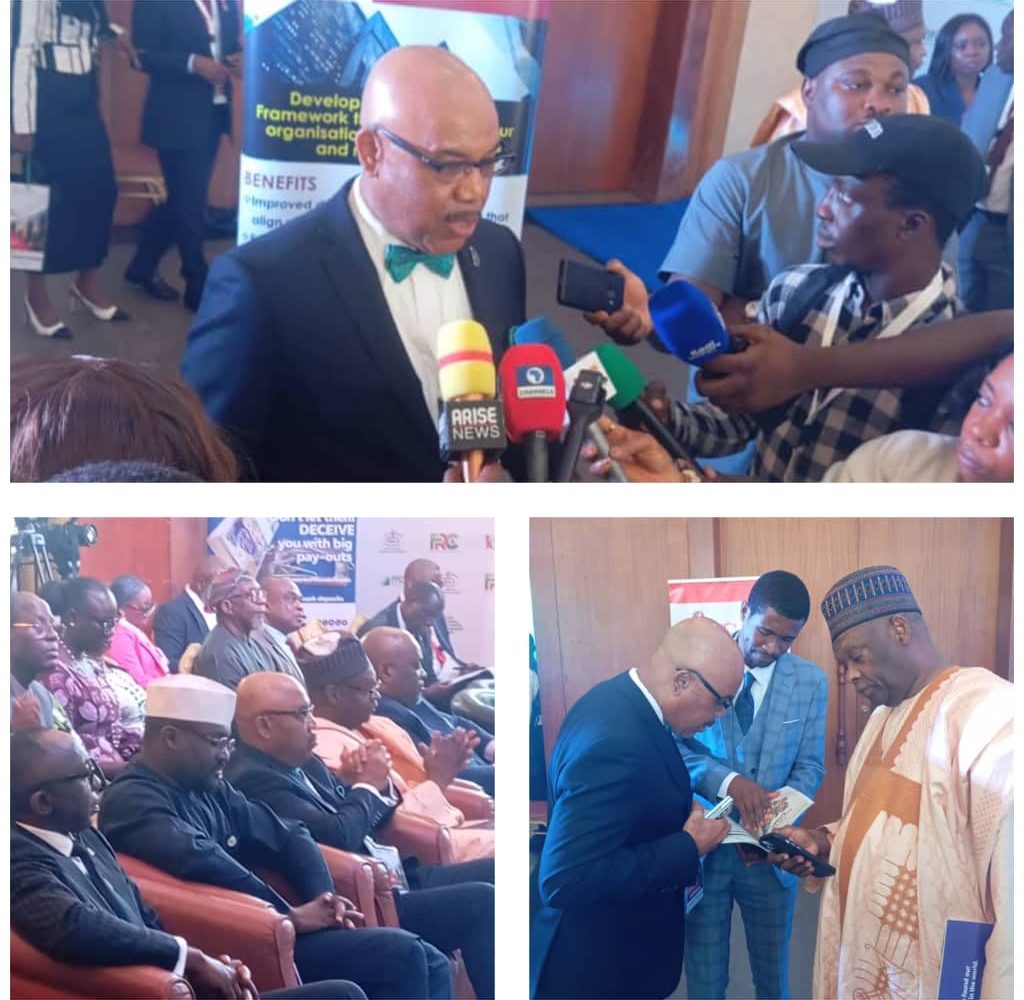
Nigeria’s aspiration to build a $1 trillion economy will remain out of reach unless governments, regulators and businesses strengthen corporate governance, transparency and accountability, speakers at the Third National Corporate Governance Summit have said.
Participants at the ongoing 2026 National Corporate Governance summit in Lagos argued that achieving the country’s ambitious economic target requires more than bold policies and macroeconomic reforms.
Vice President, Kashim Shettima, represented by the Special Adviser to President Bola Tinubu on Economic Affairs, Dr. Tope Fasua, stressed the strategic importance of state-owned enterprises (SOEs) in driving Nigeria’s economic development, arguing that governments must play an active role in business to accelerate national growth.
He called for continued cooperation and collaboration in promoting sound corporate governance. “Together, we must deepen the adoption of good governance practices across both the public and private sectors while supporting our collective national development objectives.” The Vice President said.
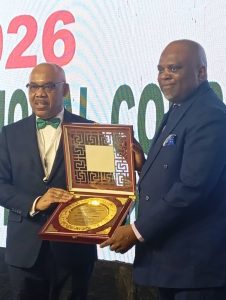
Shettima noted that these efforts are fully aligned with the reform initiatives of President Bola Ahmed Tinubu’s administration and the Federal Government’s commitment to building strong institutions, fostering transparency, and accelerating sustainable economic growth.
Chairman of the event and Co-Founder/Managing Partner, Trans-Sahara Investment Corporation, Kyarri Abba Bukar said Nigeria cannot achieve a $1 trillion economy, nor successfully integrate into the global value chains of the AfCFTA, without robust governance systems.
In his words, “Corporate governance is not a cost of doing business; it is a strategic economic imperative. It is the engine that drives investment, competitiveness, innovation, and long-term prosperity.”
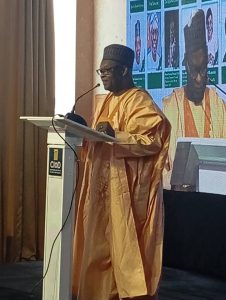
In his contribution on the subject, the Co-chairman of the event and Managing Director and Chief Executive Officer of the Ministry of Finance Incorporated (MOFI), Dr. Armstrong Takang, challenged the long-held notion that governments should stay out of commercial activities, insisting that successful economies have demonstrated the value of well-managed public enterprises.
He maintained that properly governed and efficiently managed state-owned enterprises can serve as catalysts for industrialisation, infrastructure development and long-term economic prosperity, particularly in developing economies such as Nigeria.
Drawing lessons from China, Takang noted that many of the country’s most strategic assets remain under government ownership, a model he said has significantly contributed to its economic transformation.
“China, which has become the country that many of us look up to, has assets owned by the central government. The asset management is at least 30 trillion dollars,” He stated.
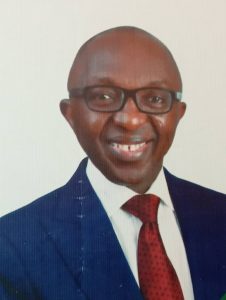
Also speaking on the subject, the Chairman, Board of Governors, IoD Center for Corporate Governance, Urum Kalu Eke noted that when corporate governance is entrenched, institutions become stronger, accountability becomes the norm, investor confidence grows, and the economy is better positioned to achieve sustainable growth and long-term national development.
The President/Chairman of Governing Council, Institute of Chartered Secretaries and Administrators of Nigeria (ICSAN), Uto Ukpanah, highlighted the challenges confronting modern economies—including technological disruption, geopolitical uncertainty, climate risks, fiscal constraints, and rising stakeholder expectations—require governance systems that are resilient, adaptive, transparent, and guided by coherent public policy.
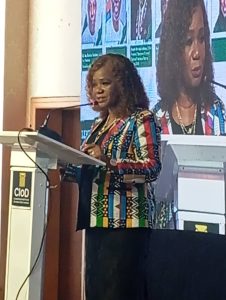
According to Dr Rabiu Olowo, Executive Secretary/CEO Financial Reporting Council, Co-chairman of the event, the third National Corporate Governance Summit was inspired by the remarkable engagement, insightful contributions, and overwhelmingly positive feedback from participants and stakeholders at the previous edition.
He noted that “The summit is designed to strengthen collaboration between the public and private sectors in advancing governance reforms that will accelerate Nigeria’s economic growth.”
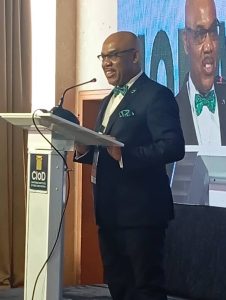
The speakers agreed that sustainable growth depends on building institutions that inspire investor confidence and promote ethical business conduct.
They warned that weak compliance, regulatory uncertainty and poor governance could derail Nigeria’s economic transformation agenda.
The summit heard that these frameworks should be seen as enablers of sustainable growth rather than obstacles to enterprise, providing the safeguards needed to protect shareholders, depositors, employees and the wider economy.
Speakers further emphasised that public and corporate governance are inseparable in achieving national development, stressing that government reforms must be matched by responsible leadership in the private sector.
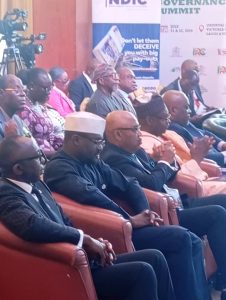
They called on stakeholders to convert the summit’s resolutions into concrete actions capable of improving Nigeria’s investment climate, expanding job opportunities and accelerating progress towards the country’s $1 trillion economy objective.
The speakers also urged businesses to embrace governance as a strategic asset that enhances competitiveness and positions Nigeria to attract long-term domestic and foreign investment.
The summit was jointly convened by thr IoD Center for Corporate Governance (IoDCCG), Financial Reporting Council of Nigeria (FRC), the Institute of Chartered Secretaries and Administrators of Nigeria (ICSAN), and the Ministry of Finance Incorporated (MOFI).




Comment here