


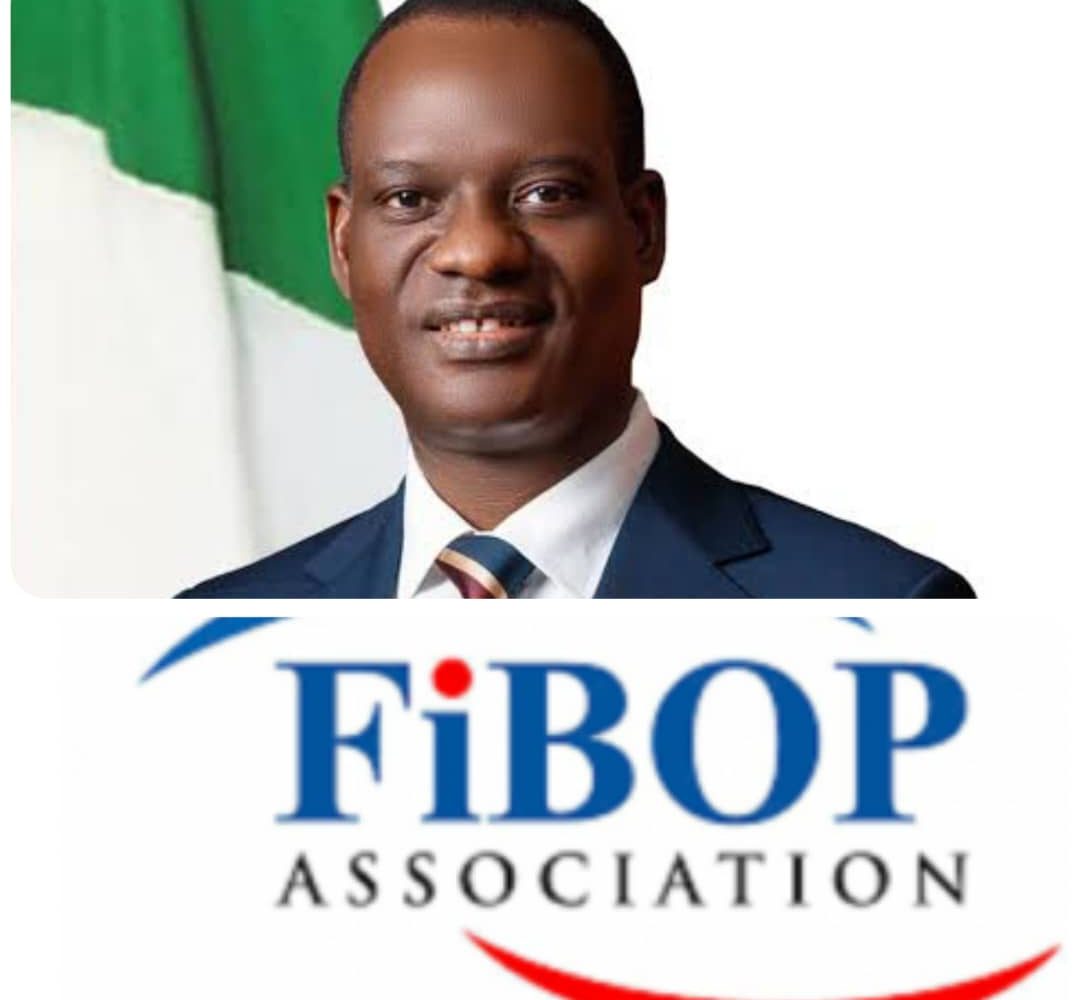
The Minister of Finance and Coordinating Minister of the Economy, Mr Taiwo Oyedele, has called for stronger collaboration across key sectors of the economy to accelerate Nigeria’s economic transformation and achieve the $1 trillion economic target by 2030.
Oyedele stressed the need to expand local manufacturing, process agricultural produce, develop mineral value chains and ensure reliable infrastructure, electricity and logistics, noting that tax reform alone cannot deliver the country’s economic aspirations.
He made the call while delivering the keynote address at the recently concluded 2026 Annual Conference and Awards of the Finance and Business Online Publishers Association (FiBOP), held at Orchids Hotel, Lekki, Lagos.
Represented by his Special Assistant on Revenue, Dr Olufemi Olarinde, the minister said Nigeria’s economic transformation required a coordinated approach involving taxation, industry, insurance, fintech, trade, investment and other critical sectors.
He explained that the various sectors were interconnected and could collectively drive investment, production, job creation, income growth and market expansion.
According to him, fintech and digitalisation help reduce transaction costs and promote financial inclusion, while insurance protects productive assets and mobilises long-term funds for economic development.
He also noted that Nigeria’s capital market had recorded consistent year-on-year growth, attracting international recognition.
“These sectors reinforce one another: investment expands production, production creates jobs, jobs raise incomes, technology improves efficiency, insurance protects productivity assets, and trade expands markets,” Oyedele said.
The minister emphasised that achieving the $1 trillion economic target by 2030 would require sustained policy consistency, effective coordination and stronger accountability across government and the private sector.
He said reforms must be supported by practical measures to strengthen productive capacity, improve the business environment and create opportunities for businesses to expand and compete.
Oyedele also called on the media to partner with the government in communicating economic policies and performance accurately, warning against sensational reporting that could undermine public understanding of government initiatives.
He described the media as an important stakeholder in building public confidence, noting that citizens were more likely to trust government policies when they understood the decisions behind them and the indicators used to measure progress.
“Enough of sensational news. Government must provide timely information, welcome constructive scrutiny, and explain its decisions transparently, and the media, in turn, can help distinguish verified results from speculations and proposed policies from implemented measures,” he said.
He added that effective communication required a shared commitment from both the government and the media, with authorities providing timely and transparent information while journalists subjected policies and claims to constructive scrutiny.
The minister’s remarks aligned with the conference theme, which focused on “Unlocking Nigeria’s Economic Potential: Taxation, Industry, Insurance, Fintech, Trade and Investment as Catalysts for Nigeria’s $1 Trillion Vision.”

The conference brought together stakeholders from the financial services industry, government, capital market, insurance, taxation and media to discuss strategies for unlocking Nigeria’s economic potential.





Comment here