


By Barnabas Esiet.
The Nigeria Customs Service (NCS) has introduced a One-Stop-Shop (OSS) system, a centralised operational framework designed to streamline cargo clearance processes.
The OSS aims to reduce cargo dwell time to an average of 48 hours per shipment, minimise demurrage costs, and foster transparency across Customs operations.
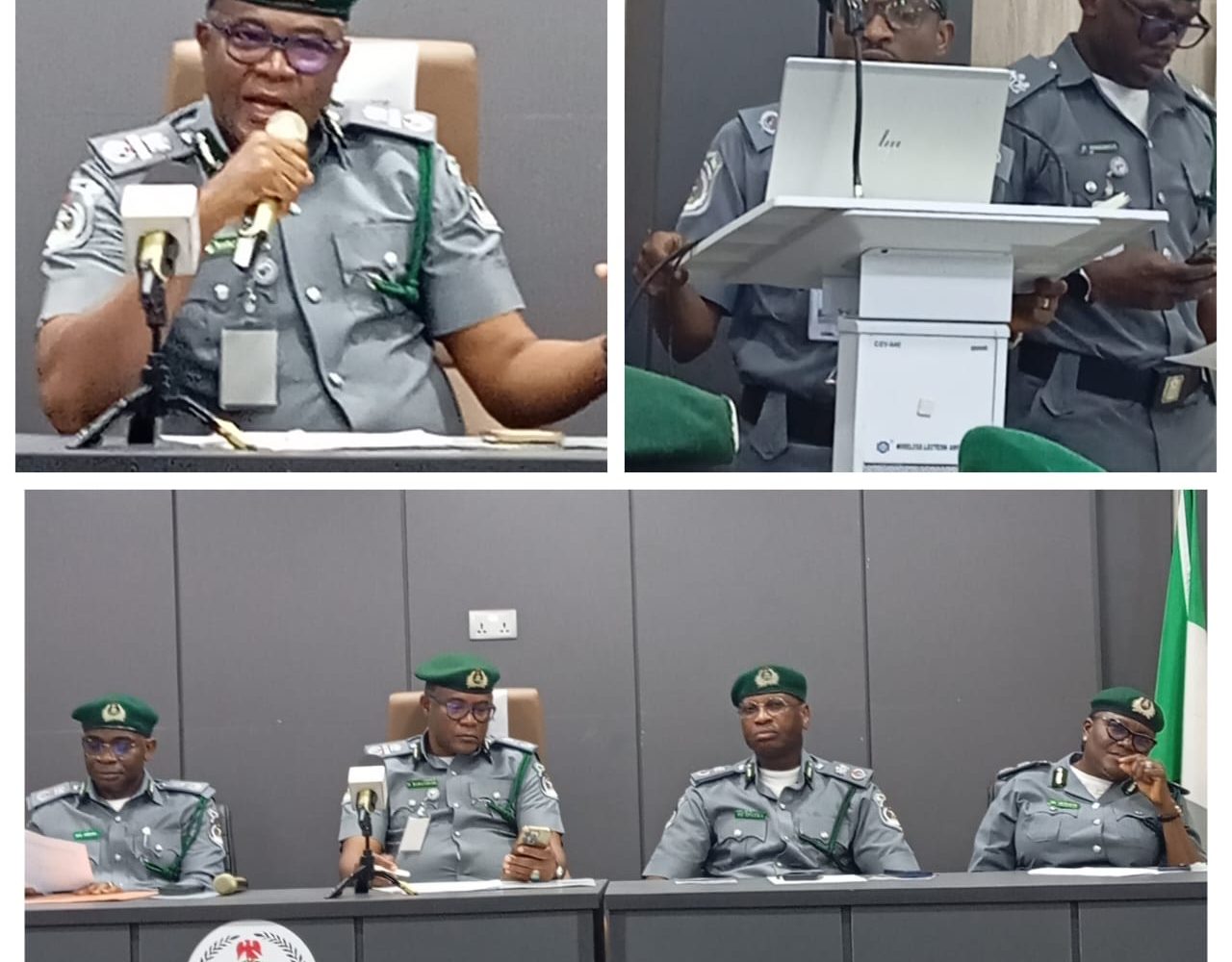
At a forum in Lagos, the Zonal Coordinator, Zone A, Assistant Comptroller-General Mohammed Babandede, described the OSS as a “smarter, technology-driven approach to cargo clearance that will enhance efficiency, transparency, and inter-agency collaboration.”
He commended the Customs ICT team for developing the platform and urged officials and traders to utilise the system efficiently.
The OSS system, supported by the B’Odogwu digital platform, enables real-time data sharing, centralised documentation, analytical reporting, and seamless trader engagement through the Customs portal.
The system allows for joint review, examination, and decision-making in one location, eliminating bureaucratic bottlenecks and ensuring transparency and accountability.
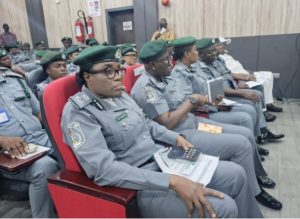
Stakeholders, including freight forwarders and terminal operators, have welcomed the initiative, but also expressed concerns about additional layers of checks and interceptions outside the ports.
They urged the NCS to address these issues to ensure the smooth implementation of the OSS system.
A freight forwarder, Kayode Aminu, wondered if the system would eliminate the additional layers of checks and interceptions outside the ports, highlighting the Federal Operations Unit (FOU) activities as distorting trade.
“After we have gone through the OSS, are we still going to be intercepted by Customs units on the road? What’s the function of the CIU, Customs gate and other layers of checks before the consignments leave the ports.” He queried.
Also speaking, the National Coordinator of Save Nigeria Group, Osita Chukwu drew the attention of the Customs to delays outside the purview of the Service, stressing that activities of the Nigeria Police often interfere and cause unnecessary delays in the cargo clearance system.
Present at the event were key port stakeholders including Comptroller Frank Onyeka, Customs Area Controller, Tincan Island Port; Comptroller Emmanuel Oshoba, Apapa Customs Area Command); and Comptroller Peter Ntadi, Area Controller, Western Marine Command.
The NCS has often reiterated its commitment to strengthening trade for national growth through technology-enabled reforms that align with international best practices.
 The OSS system is a significant step towards achieving this goal, and the NCS is expected to continue to monitor its implementation and address any challenges that may arise.




Comment here