



By Barnabas Esiet.
Nigeria’s ambition to build a $1 trillion economy by 2030 will depend not just on how much revenue the government collects, but on how effectively its policies enable businesses to grow, attract investment and create jobs.
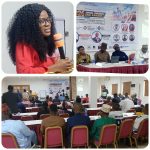
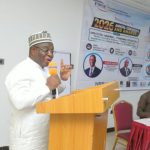
That was the central message from the Minister of Finance and Coordinating Minister of the Economy, Taiwo Oyedele, at the 2026 Finance and Business Online Publishers Association (FiBOP) Conference and Awards in Lagos.
Represented by his Special Adviser on Revenue, Olufemi Olarinde, Oyedele said the government’s new tax policy was designed to support economic expansion, improve living standards and create an environment in which businesses and citizens could prosper.
At the heart of the reforms, he said, was a simple principle: “Tax prosperity, not poverty. Tax the few and not the citizens.”
The message signals a shift in emphasis from revenue collection alone to building an economy capable of generating sustainable wealth, expanding opportunities and supporting national development.
Speaking on the theme, “The New Tax Policy and Its Role in Accelerating the $1 Trillion Economy Target by 2030,” the minister argued that the country’s economic ambition should be judged by more than its gross domestic product.
For Nigerians, he said, the real test would be whether businesses expand, incomes rise, jobs become more accessible and living conditions improve.
Beyond Tax Collection
Oyedele stressed that an entrepreneur who receives the right support to grow a business today could become a major employer tomorrow.
A tax system that places unnecessary burdens on businesses, he suggested, could undermine the very growth needed to expand the country’s revenue base.
He said the government was working towards better coordination between monetary policy and tax administration, including aligning applicable tax-related interest and penalty rates with prevailing monetary conditions while retaining appropriate consequences for non-compliance.
The objective, according to the minister, is to reduce unnecessary costs, improve access to capital and encourage businesses to invest, expand operations and employ more Nigerians.
However, he acknowledged that tax reforms alone would not deliver the $1 trillion target.
Nigeria must also strengthen manufacturing, agricultural processing, mineral development and other productive sectors.
Reliable electricity, efficient transportation and logistics, affordable financing and predictable regulation are equally important to enabling businesses to compete and grow.
In other words, a tax policy that encourages investment must be matched by an economic environment in which investment can deliver returns.
Technology, Insurance and Trade Matter
The minister also highlighted the roles of fintech, insurance, trade and the capital market in building a stronger economy.
Digital financial services, he said, can reduce transaction costs, widen access to financial services and improve tax administration. Insurance can protect businesses and households against risks, safeguard productive assets and mobilise long-term funds for investment.
Trade facilitation and export development, meanwhile, can help Nigerian businesses reach larger markets across Africa and beyond.
He described these sectors as interconnected components of economic growth: investment expands production, production creates jobs, employment raises incomes, technology improves efficiency, insurance protects assets, and trade opens access to new markets.
For Nigeria to achieve its ambition, these relationships must translate into increased productivity, stronger businesses and broader economic opportunities.
The capital market also has an important role to play by mobilising funds for businesses, infrastructure and other productive activities.
The Media’s Responsibility
Oyedele called on FiBOP and the wider media community to help Nigerians understand the objectives and implications of economic reforms.
He urged journalists and publishers to distinguish verified economic data from speculation and clearly separate proposed policies from measures already implemented.
But he also placed responsibility on the government to provide timely information, explain its decisions and welcome constructive scrutiny.
“Public confidence is strengthened when citizens understand not only what government is doing but why it matters and how progress will be measured,” he said.
His message reflects the importance of public trust in implementing economic reforms, particularly where policies affect businesses, investors and households.
The Real Test Is Shared Prosperity
Ultimately, Nigeria’s $1 trillion economy ambition will require more than policy announcements and revenue targets. It will depend on sustained investment, infrastructure development, access to finance, productive enterprises and consistency in government policies.
For Oyedele, the measure of success is whether these efforts improve productivity, create employment, strengthen businesses and raise citizens’ living standards.
The challenge, therefore, is to ensure that economic growth translates into tangible benefits for Nigerians.
If the new tax policy succeeds in encouraging investment and expanding productive activity without placing unnecessary burdens on ordinary citizens and businesses, it could become an important instrument in Nigeria’s journey towards a $1 trillion economy by 2030.



Comment here