


By Barnabas Esiet
What happens when a poet turns his success into an opportunity for schoolchildren, filmmakers look back to support the community that inspired their work, and a scientist seeks to bring Nigerian innovation closer to those who need it?
The answer lies in the stories of four winners of the 2026 prizes sponsored by Nigeria LNG Limited (NLNG). Their experiences offer a compelling reminder that the true value of achievement extends beyond personal recognition or financial reward. It lies in what that success makes possible for others.
From the classrooms of Federal Government College, Warri, to the surfing community of Tarkwa Bay and the laboratories where healthcare innovations are explored, their stories reveal the enormous potential of Nigerian talent when it is given room to flourish.
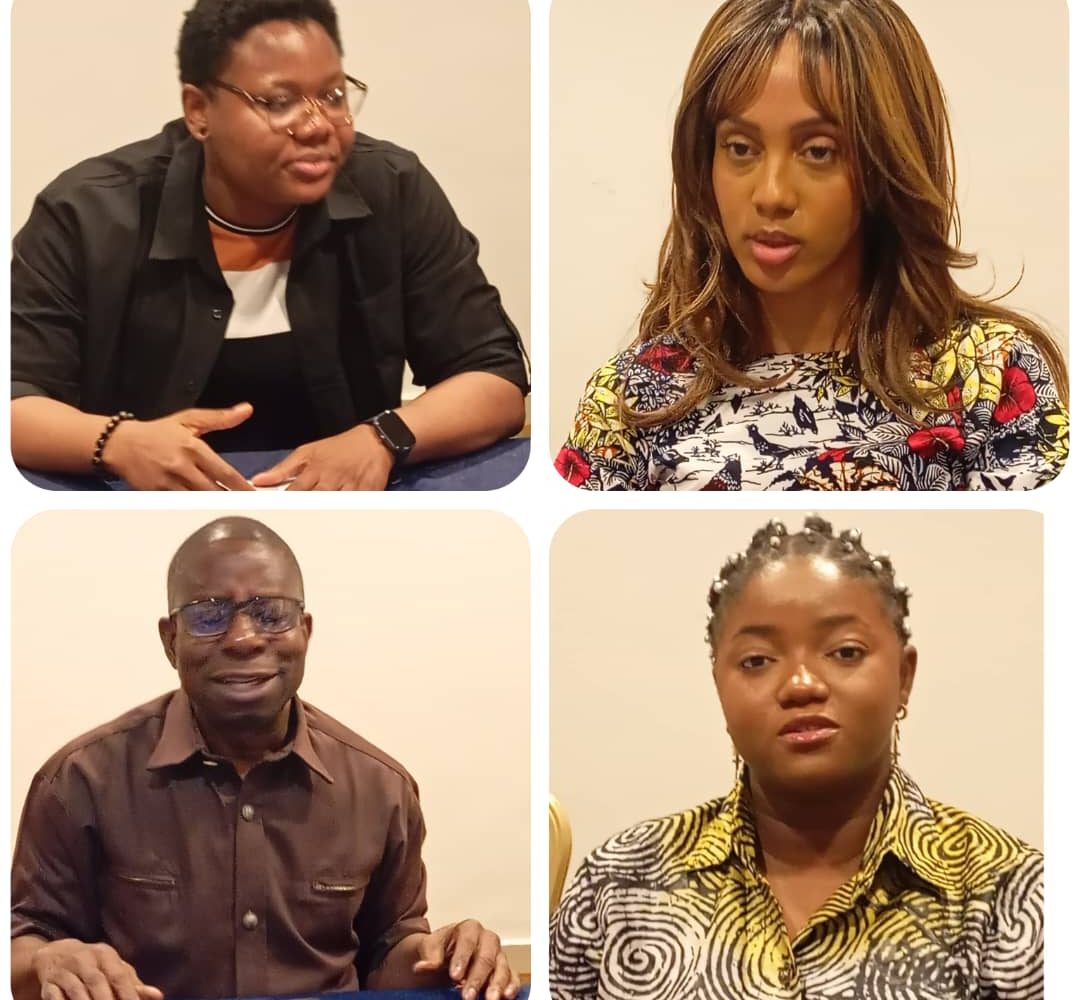
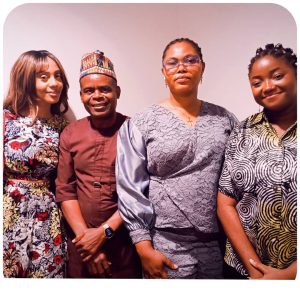
Ogaga Ifowodo, winner of the Nigeria Prize for Literature; Rume Onosode and Feranmi Abiola, joint winners of the Nigerian Prize for Creative Arts; and Mary-Brenda Akoda, winner of the Nigeria Prize for Science, have each demonstrated how excellence can open conversations about youth empowerment, community development and the future of Nigeria.
Their experiences also raise an important question: how can individual success become a stepping stone for the next generation?
Giving Young Writers a Chance
For Ifowodo, the journey begins where his own literary dreams took shape: at Federal Government College, Warri.
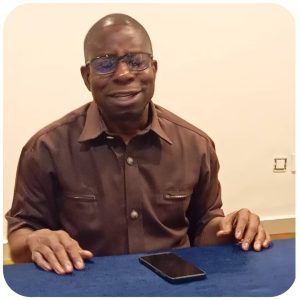
The poet, who won the 2026 Nigeria Prize for Literature with his collection Why Does God Need a Gun?, plans to establish a poetry prize at his alma mater using part of his $100,000 award.
It is a decision rooted in personal experience. Having written his first poem as a student, Ifowodo understands how early encouragement can help a young person recognise and develop a talent.
Across Nigeria, gifted students often have ideas and creative abilities but lack the platforms, mentorship and recognition that could encourage them to pursue those interests.
A poetry prize may appear modest against the country’s wider educational challenges, but its significance could reach far beyond the competition itself. It could encourage students to read more, express themselves confidently and discover that their ideas deserve to be heard.
Ifowodo’s poetry also demonstrates the power of literature to confront difficult social questions. Inspired partly by Leah Sharibu, one of the schoolgirls abducted by Boko Haram, his award-winning collection examines religious extremism, violence and injustice.
By investing in young writers, he is helping to preserve a space where the next generation can question society, challenge injustice and imagine a better future.
The message is clear: young people need more than instructions about what they can become. They need opportunities to discover what they are capable of achieving.
Reflecting on the role of poetry, Ifowodo stressed the importance of combining a strong message with literary skill, saying, “If the craft fails, the message fails.”
Bringing the Benefits Back to Tarkwa Bay
At Tarkwa Bay, the story takes a different turn, from the written word to the waves.
Rume Onosode, producer and assistant director of Beyond Tarkwa Bay, said the team intended to use part of its prize money to support local surfers, including providing surfboards and improving their welfare.
The plan reflects a recognition that the community behind a creative work should not be forgotten when that work succeeds.
For young surfers, access to suitable equipment can determine whether a passion develops into a serious pursuit. Without the necessary tools and opportunities to practise, talent can remain untapped.

Providing surfboards will not solve every challenge facing the community. But it could remove an immediate barrier and help create room for training, participation and further development.
With sustained support, Tarkwa Bay’s surfing culture could also offer opportunities connected to tourism and other small businesses.
More importantly, the initiative recognises the value of a community whose identity and experiences have helped tell a story to a wider audience.
There is a lesson here for Nigeria’s creative industry: success becomes more meaningful when the people and places that inspire it share in its benefits.
For the young people of Tarkwa Bay, that recognition could help reinforce a powerful belief—that their talents, interests and community are worth investing in.
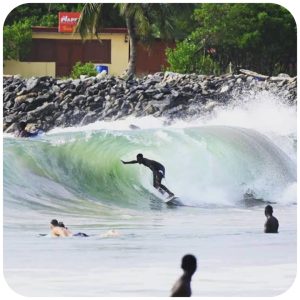
Onosode captured the urgency of turning potential into action, saying, “We’re tired of talking about potential. We’ve been talking about potential since 1960. It’s time for us to harness that potential.”
Opening Doors for Emerging Creatives
Feranmi Abiola, director of Mara-Menia, another joint winner of the Nigerian Prize for Creative Arts, is drawing attention to the barriers confronting aspiring filmmakers and other creative professionals.
The film explores street music and dance culture, reflecting artistic expressions that often flourish outside established entertainment structures.
Abiola has called for greater investment in training, equipment and accessible production facilities to help emerging creatives turn their ideas into finished work.
Her experience highlights the importance of partnerships. Support from the French Embassy and the involvement of WeTalkSound in executive production contributed to bringing Mara Minya to life.
For many young filmmakers, the challenge is not a lack of stories or imagination. It is the cost of telling those stories.
Without cameras, editing facilities, technical training and financial backing, promising projects can stall before production begins.
Addressing these gaps could create opportunities not only for filmmakers but also for editors, sound engineers, costume designers and other professionals whose work sustains the creative economy.
Abiola’s call is therefore about more than filmmaking. It is about building an industry where young Nigerians can develop their abilities, earn a living and contribute to the country’s cultural and economic growth.

When Innovation Meets Human Need
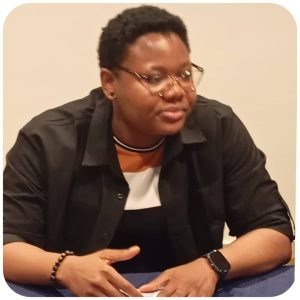
Mary-Brenda Akoda, winner of the 2026 Nigeria Prize for Science for her innovation, GenScan AI, represents another dimension of this conversation: the power of Nigerian ingenuity to address practical problems.
Akoda wants Nigeria to become an early adopter of the technology rather than depend entirely on innovations developed elsewhere.
Her previous research included work on an artificial intelligence system for detecting diabetic retinopathy, undertaken in collaboration with ophthalmologists at the University of Calabar Teaching Hospital.
She also discussed efforts to test technology in diagnostic settings, including work involving Asirpo Diagnostic Centre and a pilot linked to magnetic resonance imaging.
Her experience highlights the importance of bringing researchers and healthcare professionals together to explore solutions to medical challenges.
For young Nigerians studying science and technology, Akoda’s achievement offers an example of what local talent can accomplish.
But innovation needs more than an ingenious idea. It requires funding, appropriate facilities, collaboration and rigorous testing before technologies can be adopted responsibly in practical settings.
Supporting young researchers could create new opportunities in science, technology and healthcare while strengthening Nigeria’s ability to develop solutions suited to its own needs.
The wider lesson is that investing in young innovators is also an investment in the communities that may eventually benefit from their work.
Akoda has emphasised the importance of Nigeria taking the initiative in adopting new technology, rather than waiting for other countries to lead the way.
Making Success Count for Others
The experiences of these four winners illustrate different routes to youth empowerment and community development.
Ifowodo wants to encourage the next generation of writers. Onosode hopes to support surfers in Tarkwa Bay. Abiola is advocating better opportunities for emerging creatives, while Akoda is highlighting the need to nurture scientific innovation.
Their stories are different, but the underlying message is the same: talent needs opportunity, and opportunity needs investment.
Through its prizes, NLNG recognises outstanding Nigerian achievements in literature, creative arts and science. The winners’ plans show how such recognition can also inspire conversations about education, employment, innovation and community welfare.
However, lasting change requires sustained commitment from schools, businesses, government institutions and development partners.
A poetry prize needs continuity; community support must respond to local needs; creative training should open pathways to work; and scientific research needs the resources to progress from promising ideas to practical applications.
The responsibility cannot rest on prize winners alone. Their achievements can inspire and create openings, but wider partnerships are needed to turn those beginnings into lasting results.
Ultimately, the impact of these awards will be measured not only by the recognition the winners receive, but also by the doors that open for others.
A student may discover a lifelong passion through a poetry competition. A young surfer may gain the equipment needed to improve. An aspiring filmmaker may find the resources to tell a story. A researcher may receive the support needed to advance an innovation.
These possibilities remind us that youth empowerment is not simply about giving young people encouragement. It is about providing the tools, platforms and opportunities they need to shape their own futures.
Beyond the money and recognition, the enduring value of success lies in its power to create opportunities for others. For Nigeria’s young people and communities, that may be the most important prize of all.




Comment here