


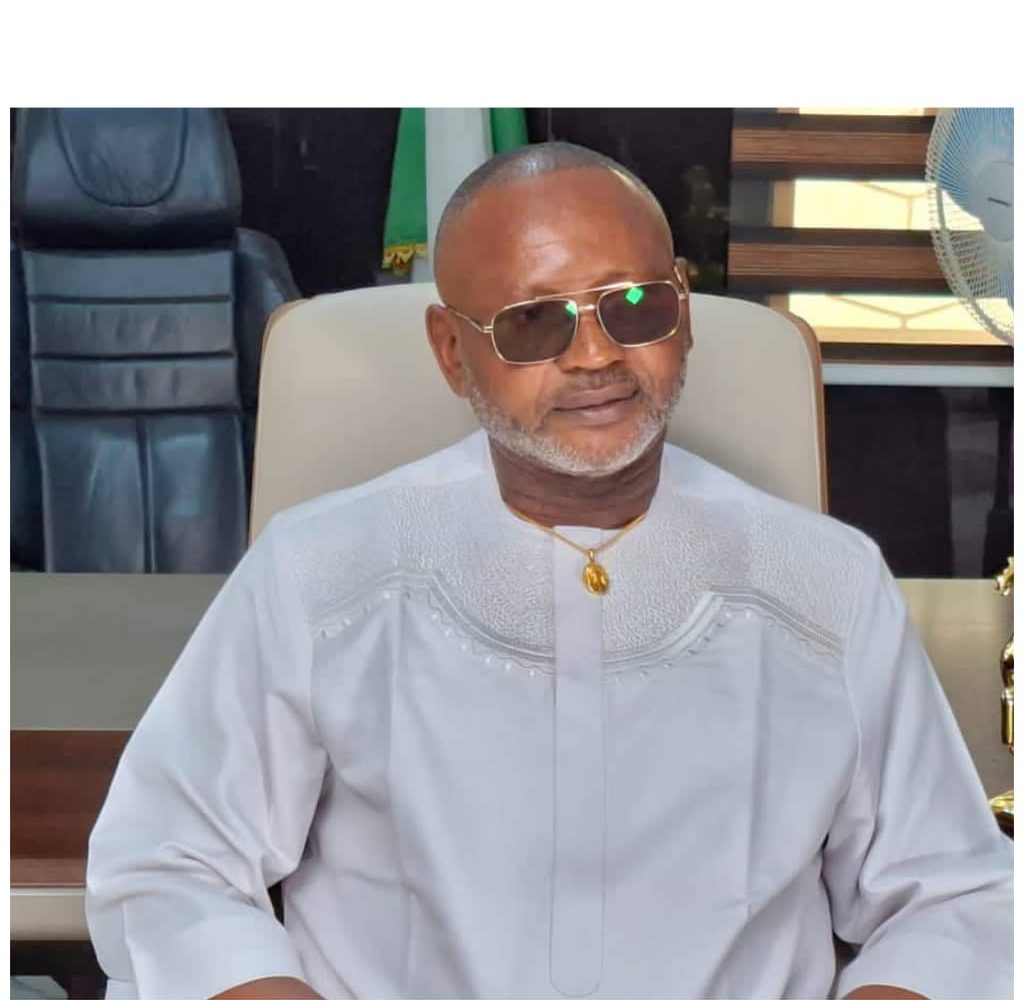
The National President of the National Association of Government Approved Freight Forwarders (NAGAFF), Chief Tochukwu Emmanuel Ezisi, has called for harmonised policies across all levels of government, warning that policy inconsistency remains a major obstacle to unlocking the full potential of Special Economic Zones (SEZs) in Nigeria.
Ezisi said coherent and consistent policies are essential for attracting investment, improving trade competitiveness and positioning Nigeria’s maritime sector for sustainable long-term growth.
He made the call at the 2026 Annual Conference of the Maritime Correspondents’ Organisation of Nigeria (MARCON) held in Port Harcourt, Rivers State. The conference was themed “Special Economic Zones as Catalysts to Sustainable Blue Economy.”
Represented by NAGAFF Secretary General, Godfrey Nwosu, Ezisi described SEZs as strategic instruments for national transformation capable of driving industrial growth, enhancing port efficiency and creating employment opportunities if supported by the right policy environment.
“Special Economic Zones are more than just industrial clusters; they are strategic instruments for national transformation. I firmly believe that SEZs are the gateways to Nigeria’s maritime prosperity,” he said.
According to him, properly developed SEZs would reduce logistics bottlenecks, boost trade competitiveness, attract foreign direct investment into ports and coastal infrastructure, create jobs for young Nigerians, and drive innovation in shipbuilding, logistics and marine technology.
However, the NAGAFF president cautioned that Nigeria’s ambition of building a thriving blue economy could be undermined if critical challenges affecting the maritime sector are not addressed.
He identified policy inconsistency, inadequate infrastructure, security threats, environmental degradation, and weak collaboration among government institutions, the private sector and host communities as major impediments to the success of SEZs.
To overcome these challenges, Ezisi advocated policy harmonisation across the federal, state and local governments, increased investment in transport and energy infrastructure through public-private partnerships, and stronger maritime security supported by smart surveillance systems, enhanced naval patrols and regional cooperation.
He also called for the integration of green economy principles through renewable energy adoption, effective waste management and environmentally friendly technologies, while urging greater investment in workforce development to equip Nigerians with skills in logistics, marine sciences and digital trade.
Ezisi further stressed the need for stronger collaboration among government agencies, investors, academia and host communities to ensure that SEZs deliver inclusive and sustainable economic benefits.
He described the blue economy as a development model that balances economic growth with environmental sustainability, insisting that Nigeria’s marine and coastal resources must be managed responsibly for future generations.
“The future of Nigeria’s maritime industry depends on our collective resolve. If we harness SEZs effectively, we can transform our coastline into hubs of prosperity, innovation and sustainability,” he said.





Comment here