


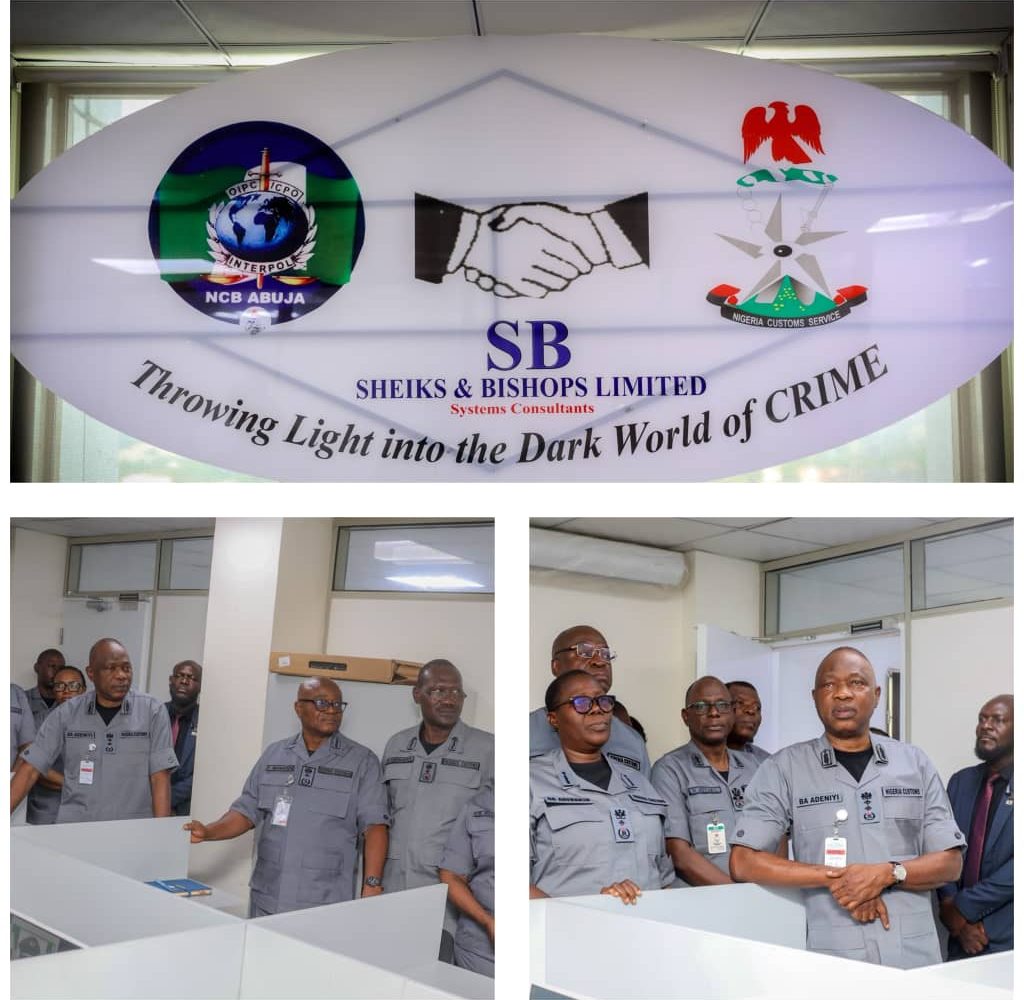
The Nigeria Customs Service (NCS) has enhanced its border security and intelligence capabilities with the deployment of an INTERPOL Data Centre at its headquarters in Abuja, providing officers with direct access to one of the world’s largest criminal intelligence networks.
The Comptroller-General of Customs, Adewale Adeniyi, announced the development during a demonstration of the facility, describing it as a significant milestone in the Service’s technology-driven transformation and intelligence-led enforcement strategy.
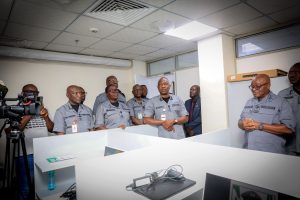
According to Adeniyi, modern Customs operations have moved beyond traditional compliance, with technology becoming critical to tackling transnational crime and strengthening border management. He disclosed that the Service is also set to sign a Memorandum of Understanding (MoU) with INTERPOL to deepen collaboration in intelligence sharing and law enforcement.
The Customs boss also highlighted the Service’s indigenous B’Odogwu digital platform, saying it has the potential to improve trade facilitation not only in Nigeria but also across Customs administrations on the African continent.
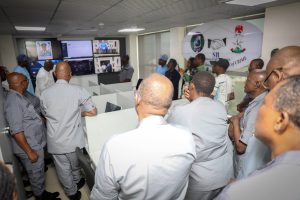
Speaking during the demonstration, INTERPOL Consultant Chikwe Udensi said the facility is the eighth INTERPOL Data Centre established in Africa. He explained that the platform gives Customs officers access to more than 152 international criminal databases containing information on stolen vehicles, vessels, cargo, parcels and other transported assets.
Udensi said the system enables officers to instantly verify whether goods or transport assets have been reported stolen anywhere in the world, thereby strengthening investigations, improving border security and supporting revenue generation through real-time intelligence.

Also speaking, Deputy Comptroller-General of Customs in charge of Enforcement, Investigation and Inspection, Timi Bomodi, said Customs officers have already been trained to operate the platform, which has been fully integrated into the Service’s ICT infrastructure.
Bomodi added that the system will also enhance cargo profiling, valuation and risk assessment by providing accurate information on the description, classification and origin of goods, further boosting the effectiveness of Customs enforcement and trade facilitation efforts.





Comment here